US based crypto exchanges operate under a regulatory framework that differs materially from offshore platforms. For traders managing size or building systematic strategies, exchange choice determines execution quality, counterparty risk exposure, and tax reporting burden. This article walks through the structural differences that matter: liquidity depth by pair, custody models, fee schedules under volume, and the regulatory obligations each platform passes to you.
Liquidity and Execution Quality
Order book depth varies significantly across US venues, even for the same trading pair. A platform may show competitive spread on BTC/USD but thin liquidity below the top three levels, causing slippage on anything beyond retail size.
Check actual filled order history or use limit orders at incremental distances from mid to map real depth. Spot check during US market hours and again during Asian sessions. Some exchanges route retail flow internally against their own inventory before hitting the book, which can improve fills on small orders but creates information asymmetry on larger ones.
For pairs outside BTC, ETH, and top ten assets by market cap, expect meaningful deterioration. Many platforms list hundreds of tokens but concentrate market making resources on a handful. If you trade alts or newer listings, compare effective spread (including likely slippage) across two or three venues before committing capital.
API rate limits and WebSocket reliability matter for any systematic approach. Confirm both tick data latency and order placement acknowledgment times during volatile periods. Exchanges that perform well during low volatility sometimes degrade during sharp moves, exactly when execution certainty matters most.
Custody Models and Withdrawal Mechanics
US exchanges generally hold customer assets in omnibus wallets, not individual segregated addresses. You receive a database credit, not onchain possession. Withdrawal processing reveals the underlying custody setup.
Platforms using hot wallets for a majority of holdings process withdrawals faster but carry higher operational risk. Those keeping most funds in cold or multisig vaults batch withdrawals on fixed schedules (often once or twice daily). For traders moving capital between venues or into DeFi positions, withdrawal speed becomes a liquidity cost.
Some exchanges offer instant internal transfers between users, bypassing onchain settlement. This speeds up certain workflows but increases platform dependency. Verify whether your trading or hedging strategy assumes you can exit to self custody within a specific timeframe.
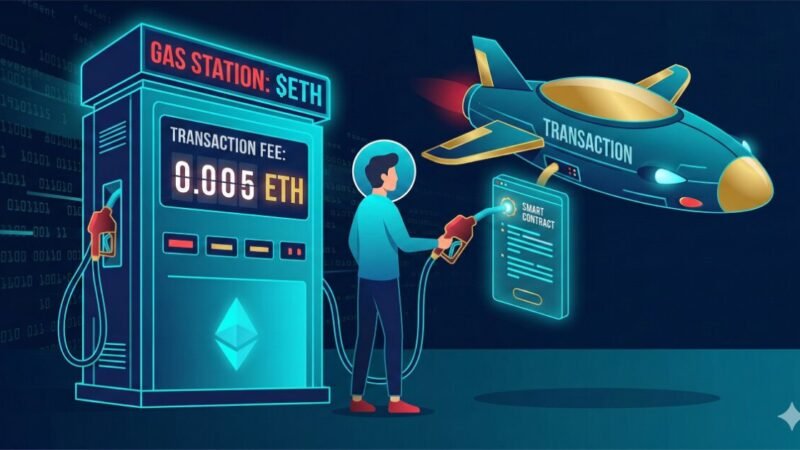
Examine how each platform handles network congestion. During periods of elevated gas fees or mempool backlogs, some venues cover excess costs, others pass them through, and a few delay processing entirely. If you operate across chains, confirm whether the exchange supports native withdrawals or requires bridging through a specific route they control.
Fee Structures and Volume Tier Mechanics
Headline maker taker fees often apply only to the lowest volume tier. Actual cost depends on 30 day rolling volume, the specific pairs you trade, and whether you qualify for any rebate programs.
Exchanges calculate volume differently. Some count all traded notional, others exclude stablecoin pairs or apply separate tiers per market type (spot vs. derivatives). A few platforms tier by net deposits or staked native tokens rather than trade volume alone. Read the fee schedule specification, not the marketing page.
Taker fees typically range from 0.10% to 0.60% at the entry level, dropping to 0.00% to 0.20% at higher tiers. Maker rebates appear above certain thresholds, usually starting between $10 million and $50 million in 30 day volume. If you approach those levels, consider splitting flow to capture rebates on both sides of a spread trade across two venues.
Some platforms charge different fees for blockchain withdrawals depending on asset type and network conditions. Budget for this if you frequently rebalance between hot and cold storage or move funds to earn yield elsewhere.
Regulatory Reporting and Tax Obligation Passthrough
US platforms file Forms 1099 for customers meeting IRS reporting thresholds. The quality of transaction data and cost basis tracking varies. Some exchanges provide detailed CSVs with per trade cost basis using specific ID or FIFO. Others export only aggregate summaries that require manual reconstruction.
If you trade frequently or use multiple venues, confirm the exchange supports API export of full transaction history with timestamps accurate to the second. Reconciling data from platforms that round timestamps to the minute creates ambiguity during high frequency periods.
KYC and AML procedures differ in friction. Expect longer onboarding and periodic re verification at platforms holding money transmitter licenses in multiple states versus those operating under a narrower regulatory scope. Some exchanges freeze accounts pending additional documentation during certain transaction patterns (large sudden deposits, frequent cross border movement). Have documentation ready if your activity triggers these heuristics.
Certain platforms block deposits from known mixing services or wallets flagged by chain analysis vendors. Confirm the exchange’s policy if you receive funds from counterparties you do not control or use privacy focused wallets.
Edge Case: Forced Liquidation and Account Restrictions
US exchanges reserve the right to restrict or close accounts based on jurisdiction, source of funds, or changes in their operational licensing. Unlike offshore venues, they typically cooperate with law enforcement and regulatory inquiries, which can result in frozen funds pending investigation.
If you trade with leverage or margin, understand each platform’s liquidation engine. Some use mark price derived from an index of external venues, others use last traded price on their own order book. During flash crashes or low liquidity events, the difference determines whether you get liquidated on a wick that did not reflect broader market reality.
Delisting events occasionally occur when an asset faces regulatory scrutiny. Exchanges typically announce a trading halt, then a withdrawal only period. Have a secondary venue or wallet ready if you hold tokens outside the top fifty by market cap.
Worked Example: Comparing Execution on a $50,000 ETH Market Buy
You want to buy $50,000 of ETH using market order during US morning hours.
Exchange A shows a tight spread (0.02%) but depth drops sharply after $20,000. Your order fills in three tranches: $20,000 at mid, $20,000 at mid plus 0.08%, $10,000 at mid plus 0.15%. Average slippage: 0.077%. Taker fee: 0.25%. Total cost: 0.327%.
Exchange B has a wider spread (0.05%) but consistent depth through $100,000. Your order fills at mid plus 0.05% across the entire size. Taker fee: 0.20%. Total cost: 0.25%.
Exchange B delivers better execution despite worse quoted spread because of actual liquidity distribution. Repeat this test with limit orders placed at mid minus 0.01% to assess maker fill rates.
Common Mistakes and Misconfigurations
- Assuming spread equals execution cost. Real cost includes slippage, fees, and potential price impact on exit. Test both sides.
- Ignoring withdrawal batch schedules. Planning a same day cross venue arbitrage without confirming withdrawal processing times locks capital unnecessarily.
- Using market orders during rollover periods. Liquidity often thins during UTC midnight and equity market open/close. Limit orders reduce cost.
- Trusting exchange reported volume figures. Wash trading and self dealing inflate numbers. Assess depth, not reported volume.
- Not testing API failover. WebSocket disconnects happen. Verify your code handles reconnection and order state reconciliation.
- Skipping cost basis reconciliation until year end. Missing or incorrect trade data becomes harder to reconstruct months later. Export weekly.
What to Verify Before You Rely on This
- Current fee schedule for your anticipated 30 day volume, including any promotions or token staking discounts
- Withdrawal processing times for the specific blockchains and assets you use, both during normal and congested periods
- Whether the platform has active money transmitter licenses in your state of residence
- API rate limits for your use case (market data, order placement, account endpoints)
- Supported order types (stop limit, iceberg, post only) and their execution guarantees
- Insurance or recovery fund coverage amounts and whether they apply to your account tier
- Delisting or trading restriction history for assets you hold, particularly those outside top 50 market cap
- Tax reporting format: 1099-B, 1099-MISC, or summary only
- Margin or leverage liquidation mechanics, including mark price methodology
- Jurisdictional restrictions or planned regulatory changes that might affect access
Next Steps
- Open accounts at two US exchanges with complementary liquidity profiles. Test small deposits and withdrawals to verify processing times.
- Run parallel limit orders at the same price on both platforms for a week. Compare fill rates and effective execution to identify which venue provides better liquidity for your target pairs.
- Set up automated transaction export to your tax or accounting system. Verify cost basis calculation matches your preferred method before accumulating significant trade history.
Category: Crypto Exchanges